
When winter arrives, many people notice an annoying change: more frequent trips to the bathroom, stronger urges, and sometimes even small leaks that weren’t an issue before. It can feel confusing or embarrassing—but you’re definitely not alone, and it’s not “all in your head.”
Cold weather genuinely affects how your body manages fluids and bladder control. From the way blood vessels respond to low temperatures to how muscles tighten when you’re cold, winter can make bladder symptoms noticeably worse.
Understanding what’s happening inside your body is the first step toward managing it.
Cold Diuresis
When you’re exposed to cold temperatures—especially for longer periods—your body goes through a process called cold diuresis. As your body temperature drops, blood vessels in your hands, feet, and other extremities constrict. This helps keep blood closer to your vital organs so they stay warm and function properly.
As these blood vessels constrict, blood pressure increases. Your body works hard to maintain balance, so when it detects this rise in pressure, the kidneys step in.
Many people don’t realize that the kidneys play a key role in regulating blood pressure. To bring pressure back down, the kidneys remove excess fluid from the bloodstream. That fluid is then turned into urine—leading to increased urination.
Muscle Tension
Cold weather also causes muscles to tense up, and sometimes shiver, as a way to generate heat and protect the body. This increased muscle activity produces warmth, but it also leads to higher overall muscle tension—including in the pelvic floor.
When the pelvic floor muscles are tense, they can place extra pressure on the bladder. This added pressure may increase urinary urgency and can contribute to leaking.
What You Can Do
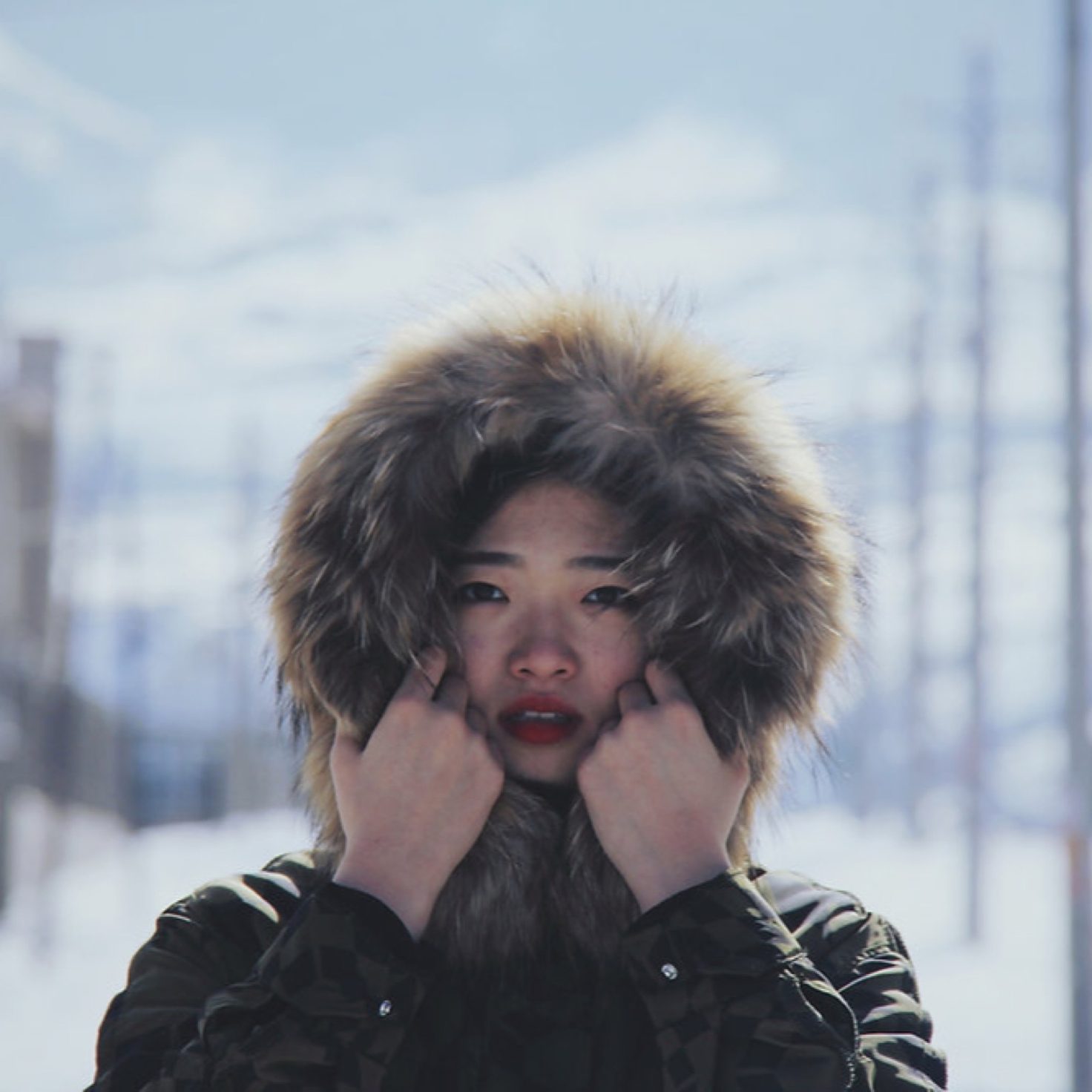
Your first line of defense against increased urgency and leaking is to bundle up!. Dressing in layers helps reduce blood vessel constriction and muscle tension. Pay special attention to keeping your head, hands, and feet warm, as these areas tend to experience constriction first.
Pelvic floor relaxation strategies can also help reduce tension around the bladder, easing urgency and leakage. Maintaining good pelvic floor coordination and healthy bladder habits on a daily basis can make a big difference.
If your symptoms continue even when you’re not exposed to cold temperatures, consider booking an appointment with our pelvic health therapist for additional support.