
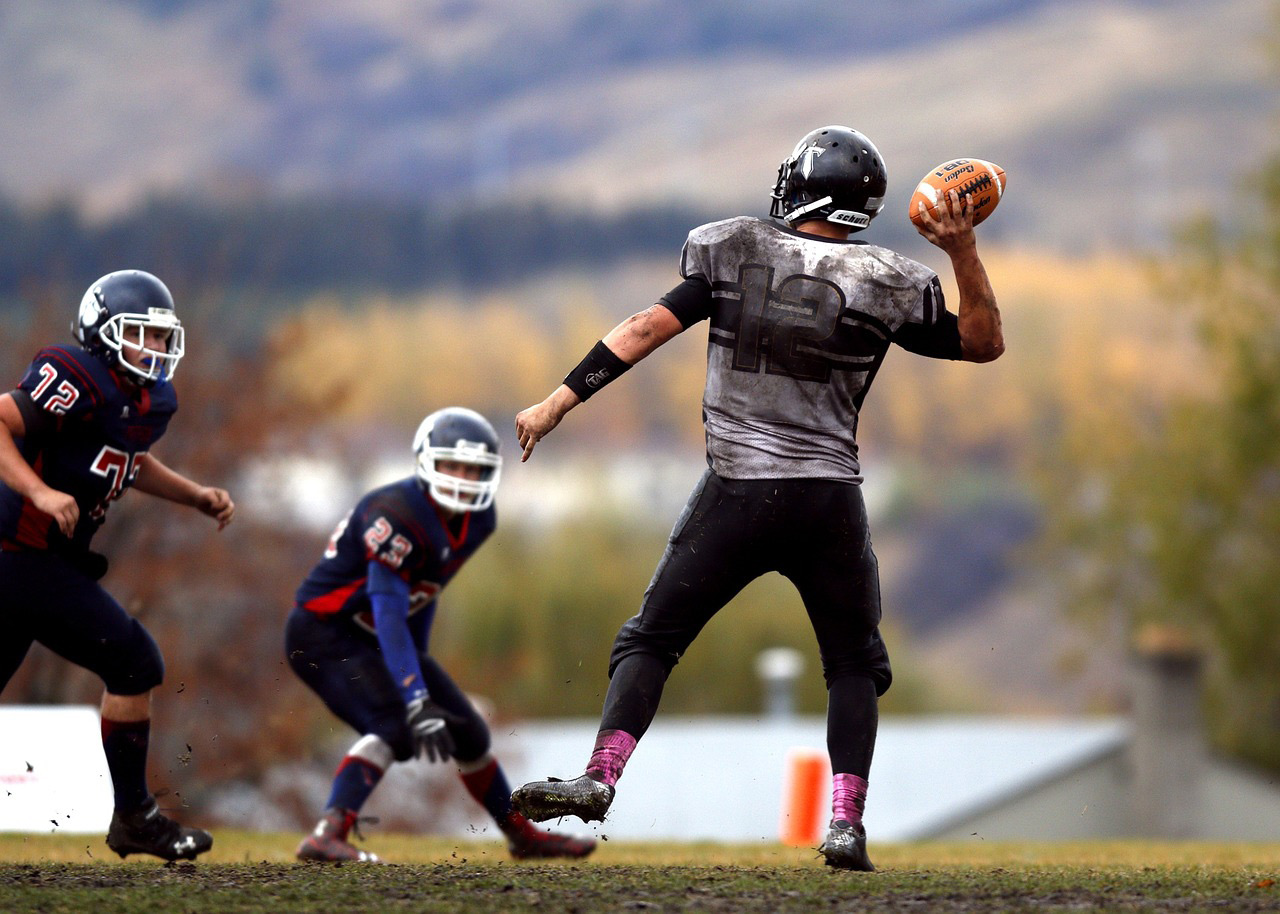
Every fall, families across Cape Cod and the South Shore check the same box: get the sports physical done before tryouts. It's required, it's routine, and it's important — a physician confirms your athlete's heart, lungs, and vitals are healthy enough for competitive play.
But here's what that physical was never designed to catch: how your athlete actually moves.
What a Sports Physical Checks — and What It Doesn't
A standard pre-participation physical evaluation (PPE) is a medical clearance. It typically covers:
Heart rate, blood pressure, and cardiac history
Lung function
Vision and general health history
Basic musculoskeletal red flags (past fractures, surgeries)
What it does not typically include is a detailed look at movement quality — things like:
Hip and ankle mobility
Landing mechanics on a jump or cut
Side-to-side strength or stability imbalances
Single-leg control and balance
These are exactly the factors that show up again and again in the research on non-contact injuries in young athletes — particularly ACL tears, growth plate stress injuries, and the overuse patterns that sideline kids mid-season.
Why We Screen Before the Injury, Not After
By the time an athlete walks into a physical therapy clinic, the injury has usually already happened — and with it, missed practices, missed games, and sometimes a season-ending diagnosis.
A movement screen flips that timeline. Instead of waiting to react to pain or injury, it identifies risk factors while there's still time to address them:
Asymmetries between the left and right side that increase injury risk under fatigue
Limited mobility in the hips or ankles that forces compensation elsewhere in the kinetic chain
Landing and deceleration patterns linked to ACL injury risk, especially in female athletes
Strength deficits that a general physical simply isn't built to detect
None of this shows up on a stethoscope. It shows up when you watch someone move.
What the Sport-Specific Readiness Screen Looks Like
Our Sport-Specific Readiness Screen is a 30-minute assessment built around 3D Kinotech movement analysis — the same category of technology used in professional and collegiate sports performance settings, scaled for a clinic visit.
In that 30 minutes, we get an objective, data-backed picture of:
How your athlete loads and unloads through the hips, knees, and ankles
Where side-to-side imbalances exist
Movement patterns associated with elevated injury risk
A baseline to track against as the season progresses
Think of it as the same yearly checkup logic as a sports physical — except instead of checking your athlete's heart and lungs, it's checking their musculoskeletal system. Same annual cadence, different set of vitals: the ones that actually predict injury before it happens.
Fall Season Is the Right Time
With tryouts and preseason conditioning starting up, this is the window where a readiness screen has the most value — before the volume and intensity of a full season puts real load on whatever imbalances are already there.
A sports physical answers the question, "Is my athlete medically cleared to play?"
The Sport-Specific Readiness Screen answers a different one: "Is my athlete's body ready for the demands of this season?"
Both matter. Only one is currently required.
Ready to see where your athlete stands? Book a Sports Specific Screening before the season ramps up.