
Adapted from insights shared by a Myopain Seminars instructor
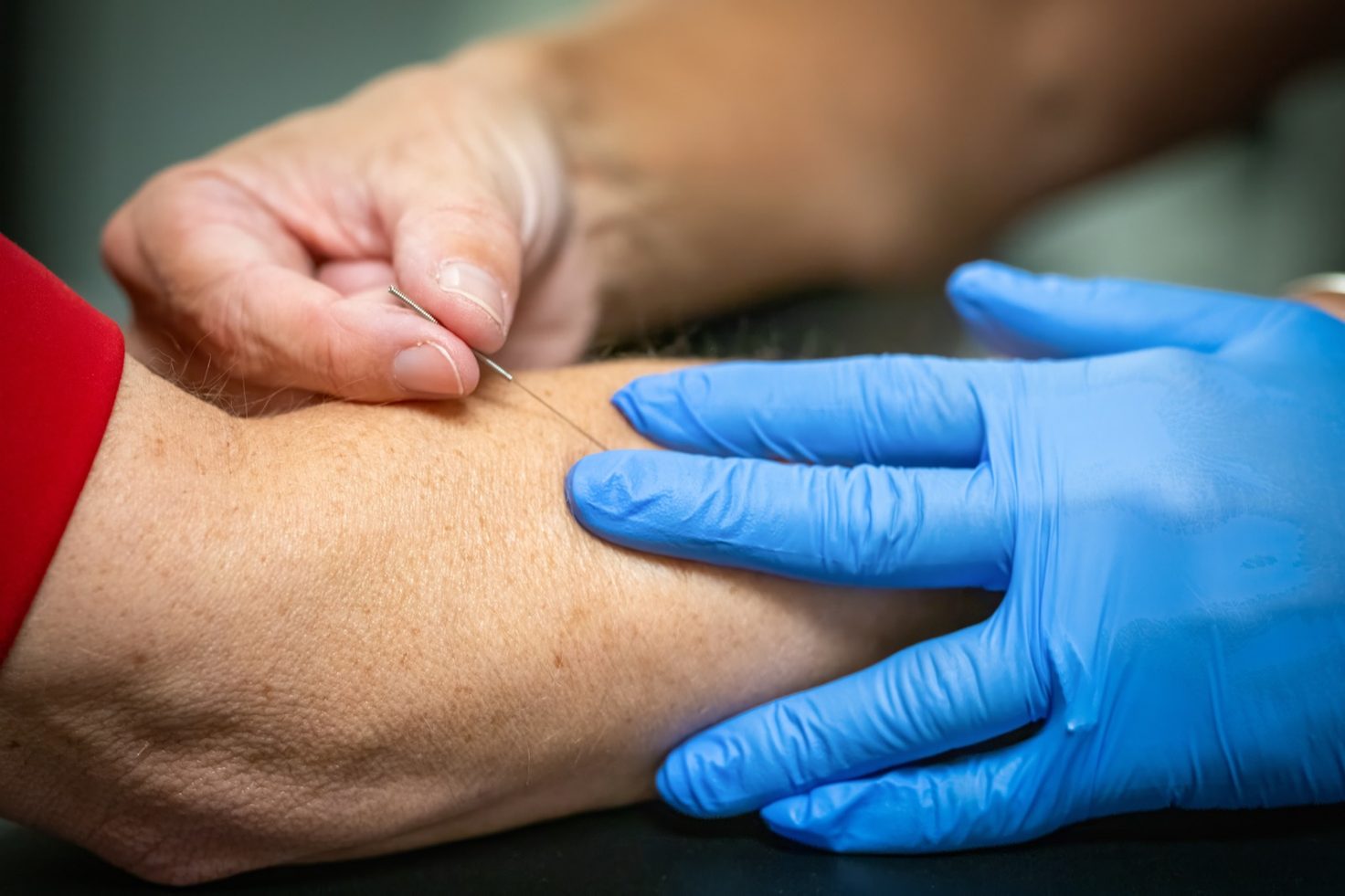
The question I hear most from clinicians learning dry needling isn't about technique — it's about what comes next. Once you know where and how to needle, the real question becomes: what do you do with the window you've just opened?
Because here's the thing: the needle itself isn't the treatment. It's the door.
Why the Body Responds the Way It Does
Dry needling triggers a cascade of local changes — muscle tone drops, circulation improves, trigger points calm down, and normal muscle contraction starts to return. Pain eases, at least temporarily. Patients often notice they can move more freely almost immediately.
But mobility alone doesn't fix what caused the problem in the first place.
The Real Opportunity Is Neurological
Chronic pain doesn't just affect the tissue — it rewires how the brain coordinates movement. The nervous system builds compensations to keep you functional, and over time those compensations quietly overload other areas of the body.
Right after needling, there's a short window when the nervous system is unusually receptive. Guarding is down, pain is reduced, and the brain is primed to relearn better movement patterns. This is the moment to retrain — not just to feel relief, but to change the pattern that caused the pain to begin with. Miss this window, and most patients drift right back into the same habits.
Stop Asking "What Hurts?" — Start Asking "Why?"
Finding a painful muscle is the easy part. The harder — and more important — job is figuring out why that muscle became a problem in the first place.
A tight hamstring might be compensating for an unstable hip. Neck tension might trace back to weak deep cervical flexors. Shoulder pain might have nothing to do with the shoulder and everything to do with scapular mechanics. Heel pain might be a downstream effect of stiff ankles and poor control higher up the chain.
The painful spot is often just where the dysfunction finally showed up — not where it started. That's why movement assessment has to be the foundation of the whole plan.
What Sets Rehab-Trained Dry Needling Apart
Technically, anyone can be trained to place a needle. What separates a rehabilitation professional is everything that happens around it: assessing movement, tracing dysfunction through the kinetic chain, and immediately using that neurological window to retrain the system.
After the needles come out, the work isn't done — it's just beginning. That's when we:
Rebuild proper muscle activation
Improve joint control
Sharpen balance and proprioception
Reinforce more efficient movement patterns
Progress patients back toward the specific demands of their sport, job, or daily life
The needle clears the path. Movement retraining is what makes the change stick.
In Our Own Practice
This is exactly how we structure sessions at Cape Concierge Physical Therapy. I rarely needle and send someone on their way — the needling is step one, and the movement work that follows is where the actual change happens.
For a patient with chronic headaches, I pair treatment with diaphragmatic breathing, cervical stability exercises, eye movement drills, and thoracic mobility work — addressing the upstream contributors, not just the tension itself. For plantar fasciitis, I follow needling with gait training, big toe flexor strengthening, and glute bridges, because foot pain is rarely just a foot problem. For elbow tendonitis, the follow-up work is scapular mobility, rotator cuff strengthening, and grip modification, since so much of what shows up at the elbow starts higher up the chain.
Patients who do this consistently — needling paired with targeted retraining, not needling alone — tend to see results that hold. The ones who skip the movement piece often come back with the same complaint a few months later, because the underlying pattern was never addressed.
Different Approach, Different Outcome
Dry needling is one of the most effective tools available for reducing pain and restoring mobility — but its real power shows up in what happens immediately after. When we combine needling with a real understanding of movement dysfunction and use that window to retrain the nervous system, we're not just chasing temporary relief. We're helping people move better, permanently.
That distinction — treating the cause, not just the symptom — is what makes the difference.