
NFL player T.J. Watt suffered a collapsed lung after dry needling and there were a lot of questions regarding the safety of dry needling. I was interviewed about this topic by a reporter from the New York Times.
I am including our series of questions / answers in this blog:
I am a Certified Myofascial Trigger Point Therapist/Dry Needling (CMTPT/DN). This dry needling certification is a key differentiator in a competitive field. The truth is we may never know what exactly happened during TJ Watt's treatment that day. I think the incident brings a lot of questions to the surface. Which muscles were being treated with dry needling? What was the length of the needle and width? What type of needle was it? What was the direction of needling? Was it static or pistoning technique? What was the intent of the dry needling? Was there a trigger point or was there pain? Did they use the rib blocking approach or the downhill approach? What was the background, discipline and credentialing of the healthcare provider.
What is dry needling?
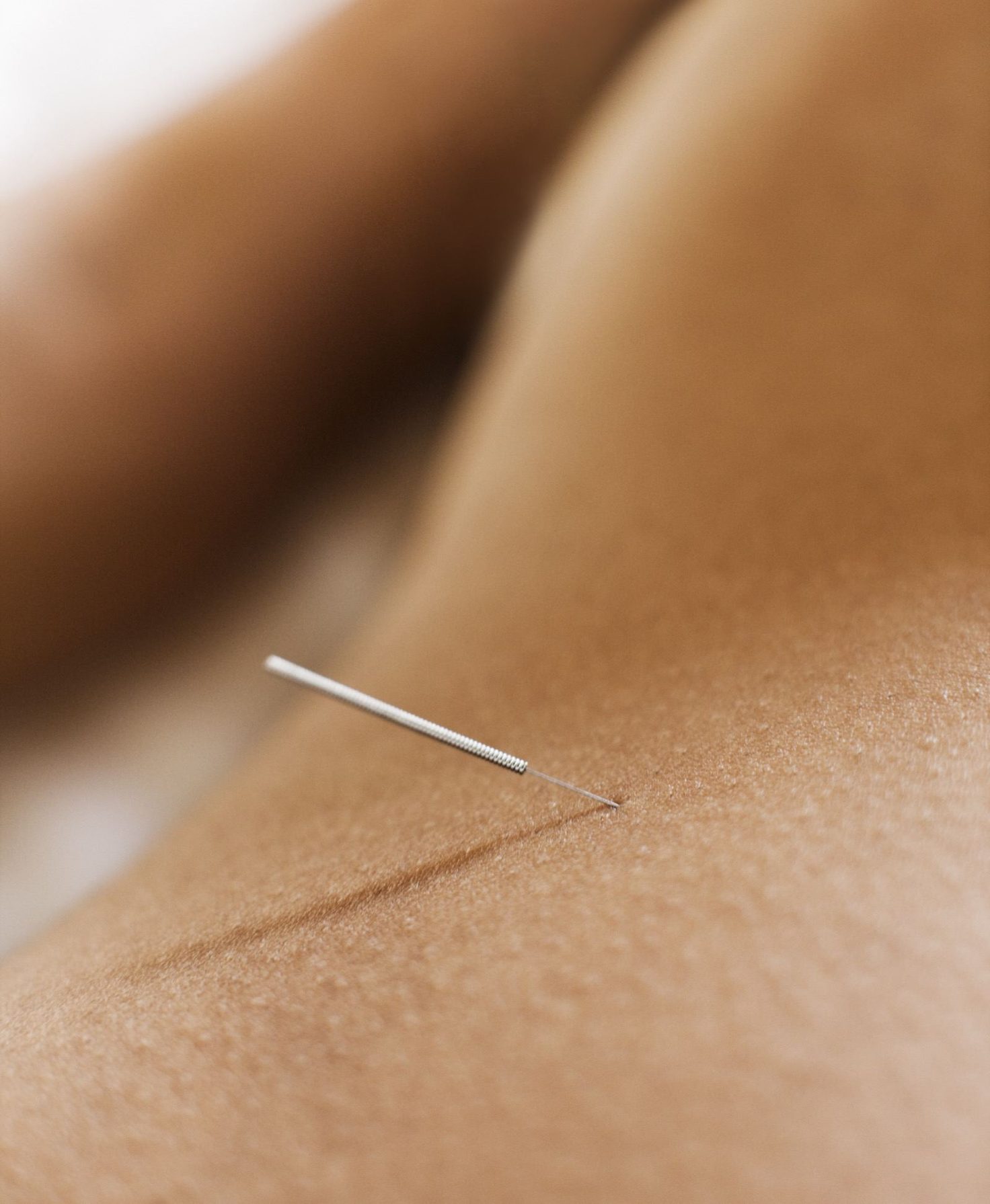
Dry needling is safe and effective technique for patients with certain musculoskeletal problems. Dry needling is a treatment performed by skilled, trained physical therapists, certified in the procedure. A thin monofilament needle (exactly the same as Acupuncture needles) penetrates the skin and treats underlying muscular trigger points for the management of neuro-muscular pain and movement impairments.It’s important to note dry needling is not the same as acupuncture. It uses similar tools, but that’s where the similarities end. Acupuncture is based on Eastern medicine, while dry needling is rooted in Western medicine and evaluation of pain patterns, posture, movement impairments, function and orthopedic tests. Dry needling treats muscle tissue, and its goal is to reduce pain, inactivate trigger points and restore function.
It is typically part of a broader physical therapy approach incorporating other interventions into treatment.
Are there diffferent sizes of needles used?
There are various sizes of needles used in practice, length and width is determined based on the area needing treatment. For example, if I am treating your wrist extensors (located in your forearm) for tennis elbow, I will use a 0.30mm x 0.30mm needle. If I am treating your gluteus medius muscle for "dead butt syndrome" I am going to need to use a 0.30mm x .60mm needle. The forearm muscles are much more superficial compare to the glutes. If I am needling any of the hand, face or toe muscles I will use an even thinner needle, for example 0.25mm x 0.30mm.
Does it work better if done on multiple areas of the body? For example, will it only work on my shoulder if I also have my elbow dry needled?
In terms of effectiveness, if the evaluating therapist does not properly diagnosis the underlying source of dysfunction, the needling may not be effective, no matter how many needles are used. Often times patients will come in with complaints of wrist pain, for example, and upon evaluation, we will find a trigger point in infraspinatos muscle (shoulder) which is causing the wrist pain. Once we treat the trigger point in the shoulder, the wrist pain goes away.
Ideally patients shouldn't ask for dry needling on specific areas, but rather for a comprehensive evaluation. And they should give their clinician a thorough history of symptoms, so that the patient and clinician can collaborate on the best plan.
What is required to legally administer dry needling?
Each state has different state practice acts that determine what is safe to legally administer dry needling.
In my professional opinion, you should be Certified to Dry Needle before practicing it. According to the literature dry needling is safe. Boyce, D., et al., Adverse events associated with therapeutic dry needling. Int J Sports Phys Ther, 2020. 15(1): p. 103-113.
How will this incident help or hurt the practice of dry needling?
I do think that it's a good thing that incident is sparking attention. I think there are too many poorly run Dry Needling courses out there. I think that not just anyone can teach these courses. I think we need to expect more from our instructors and more vigorous testing needs to be done to certify the clinicians. I also think that potential patients will ask if their therapist is certified and ask them to explain the risk/benefit of each procedure they perform.