
We all know that gut-wrenching moment. Your athlete takes a hit, goes down and gets up a little slower than usual. They look at you and insist, "I’m fine!"
But a nagging question hits you: Is that a concussion?
Fall sports season is also concussion season. Football, soccer, field hockey and other contact sports all come into full swing at once and concussion season peaks right alongside them. As a physical therapist, a girls' lacrosse coach and a mom of teenagers, I wanted real, actionable answers.
To break down the latest science, I sat down with Dr. Andy Judelson, a leading sports concussion expert who ran a specialized youth clinic on Cape Cod, on my podcast, Strong, Inside and Out. Here is the essential guide for every parent and coach navigating youth sports today.
What is a Concussion?
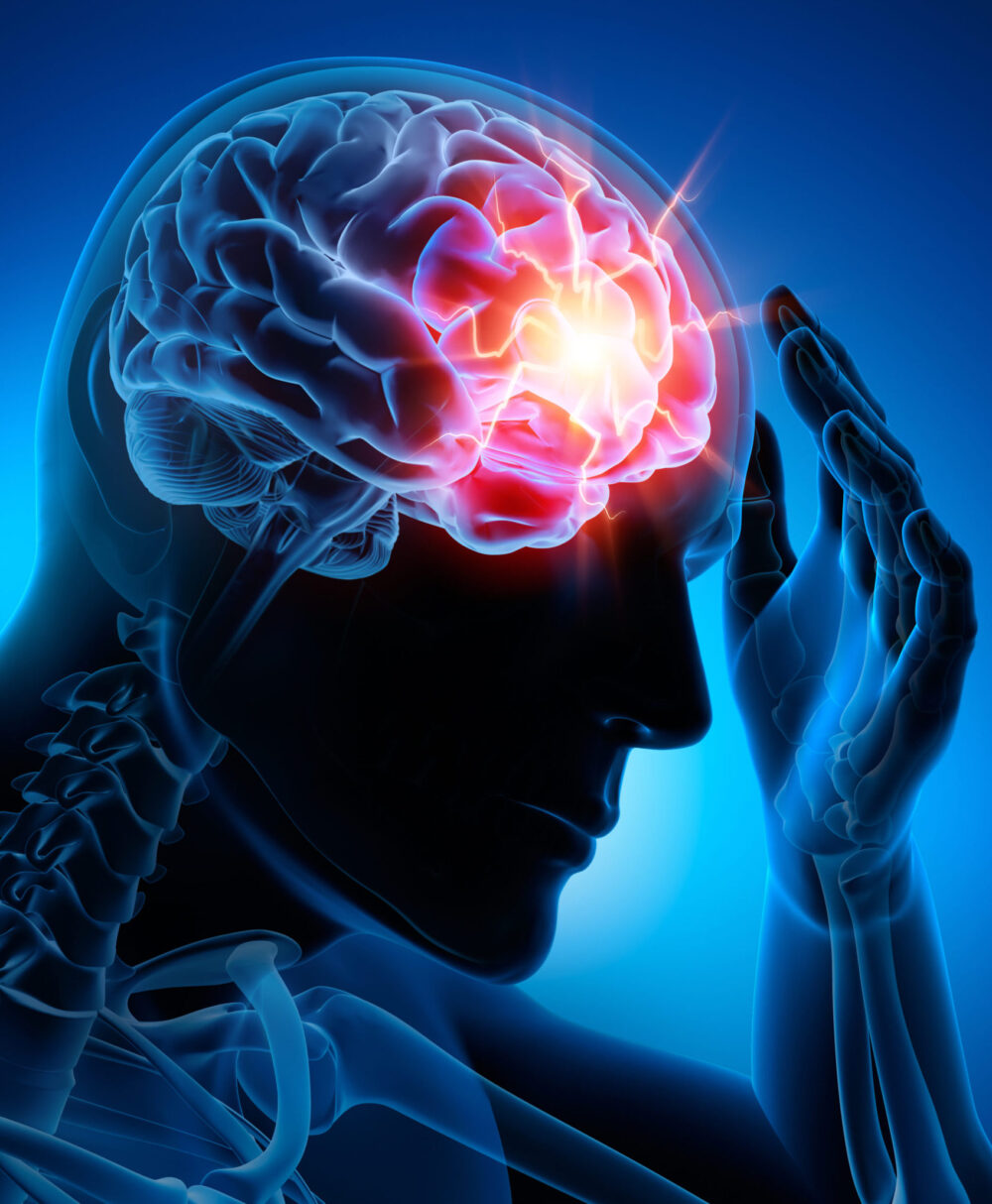
A concussion is a brain injury caused by trauma to the head, neck or body that causes the brain to move inside the skull.
The key word is functional. A concussion changes how the brain works, not how it looks. This explains why CT scans and MRIs usually come back completely normal, even when an athlete feels terrible. Doctors use imaging primarily to rule out more serious structural injuries, rather than to diagnose the concussion itself.
Two Myths We Need to Retire Immediately:
1) "They didn't pass out, so it's not a concussion." Loss of consciousness is actually incredibly rare. Most concussions happen while the athlete is awake.
2) "It only happens in football." While football sees high numbers due to roster sizes, concussions happen in every sport and many happen outside organized sports altogether.
Spotting the Signs: Symptoms & Red Flags
Concussion symptoms don't always appear instantly; they can surface hours or even days after the injury. Watch your athlete closely across four key areas:
- Physical: Headaches, dizziness, nausea, balance issues, blurry vision or sensitivity to light and noise.
- Thinking: Feeling "foggy" or slowed down, having trouble concentrating or forgetting simple things.
- Emotional: Uncharacteristic irritability, sadness, anxiety or acting "more emotional" than usual.
- Sleep: Sleeping much more or less than usual or struggling to fall asleep.
Tip: Coaches and parents can download the free CRT6 Concussion Recognition Tool to help identify these signs on the sideline. https://completeconcussions.com/wp-content/uploads/2023/06/Concussion-Recognition-Tool-CRT-6.pdf
Emergency Red Flags
Go straight to the nearest ER if an athlete experiences any of the following after a hit:
Loss of consciousness
Changes in vision
Repeated vomiting
Numbness, weakness or loss of movement in an arm or leg
A worsening headache, increasing confusion or severe neck pain
When in Doubt, Sit Them Out
If you even suspect a concussion, the athlete comes out of the game or practice immediately. There is no "let's see how they feel in ten minutes." Their day on the field is done.
This isn't just about playing it safe in the moment. Research consistently proves that athletes who keep playing after a concussion suffer a longer, more difficult recovery. Pulling them immediately is one of the single best things you can do to protect their long-term brain health.
How Long Does a Concussion Take to Heal?
Most concussions resolve within 2 to 4 weeks. However, children and teens often take longer to heal than adults because their brains are still actively developing.
If an athlete isn't making steady, measurable progress by 4 to 6 weeks, it's time for a more thorough evaluation. When symptoms linger past three months, it is often referred to as Post-Concussion Syndrome.
The Dark Room is Out. Relative Rest is In.
If you were taught that recovering from a concussion requires complete isolation in a dark room without screens, you will be pleased to know that medical recommendations have shifted significantly.
Today, experts advocate for relative rest. This means taking it easy for 1 to 2 days, followed by a gradual introduction of gentle, everyday activities that do not trigger symptoms.
What does healthy "relative rest" look like?
- Reading in short, 15-minute blocks, building up as tolerated
- Taking short walks in fresh air
- Spending brief periods with friends, even going to a school dance, provided it doesn't cause symptoms to flare up
- Too much isolation/rest can lead to social and emotional distress, while pushing too hard can delay physical healing. The goal is to find that perfect middle ground.
The Game Plan: School Comes Before Sports
A student must be able to successfully navigate the classroom before they are allowed back on the playing field.
When returning to school, many students need a temporary "lighter load," such as:
Shorter assignments
Extra time on tests
Built-in rest breaks during the school day
Once an athlete can handle a full day of school without their symptoms flaring up, they can begin the step-by-step Return-to-Play Protocol.
The Step-by-Step Return-to-Play Protocol
An athlete should spend about 24 hours on each step. If symptoms return at any point, they must drop back to the previous step.
- Daily activities that don’t provoke symptoms
- Light aerobic exercise, like walking or a stationary bike
- Sport-specific movement, like running or skating drills with no contact
- Harder non-contact practice drills, adding resistance training
- Full contact practice, after medical clearance
- Return to games
When Recovery Stalls: Targeted Treatment
We no longer just wait for a slow recovery to fix itself. Dr. Judelson explains how we target treatments to the specific system that is struggling:
Vestibular Therapy: For persistent dizziness and balance issues.
Oculomotor Exercises: Specialized vision training (and sometimes temporary glasses) to fix eye-tracking issues that make reading difficult.
Neck (cervicogenic) Treatment: Physical therapy for the neck, which is often a hidden culprit behind ongoing headaches and dizziness.
Supervised Aerobic Exercise: Tailored, low-intensity workouts designed to safely guide the brain and body back to peak performance.
Medication: for symptom relief, when needed
This is where physical therapy works wonders. A lot of stubborn concussion symptoms actually come from the balance, visual and neck systems. The good news is the right exercises can get those systems right back on track.
Note: Dr. Judelson’s clinic is no longer open. For expert, comprehensive care, regional options include Boston Children's Hospital, Spaulding Rehabilitation Hospital in Boston and South Shore Hospital. And of course, your team here Cape Concierge Physical Therapy. You can also always consult your family pediatrician to help you get started.
Is Baseline Testing Worth It?
Baseline tests like ImPACT measure a player's memory, attention and reaction time before the season starts. If an injury occurs, the athlete retakes the test to compare the results. Dr. Judelson values this objective data, noting that athletes often hide their symptoms when they are eager to get back in the game.
However, baseline testing does have real limits. It costs money, requires a quiet setting and must be interpreted by a trained specialist. Ideally, a comprehensive screening should evaluate cognition, balance, vision and mobility all together.
Can We Prevent Concussions?
The honest answer is no. You cannot completely eliminate the risk in contact sports. However, you can build a more resilient athlete:
Neck Strength: Cervical stabilization can help athletes brace for impacts, though it isn't a guaranteed shield.
Protective Gear: Quality helmets, headbands and mouthguards help absorb and distribute impact forces, but they cannot stop the brain from shifting inside the skull.
Smart Warm-Ups: Prioritizing balance, agility and proper tackling or falling techniques builds better body control. This is one of the reasons we developed https://playprotocol.tatzel-labs.com/ and https://playprotocol.tatzel-labs.com/laxprotocol/
Recognition and Removal: The most significant win is recognizing a concussion early and immediately removing the athlete from play.
The Female Athlete Factor
Interestingly, girls report higher concussion rates than boys in sports played by both. While research into hormones and neck strength differences is ongoing, it underscores why targeted strength training belongs in every young female athlete's routine.
Quick Takeaways for Parents & Coaches
You do not have to pass out to have a concussion.
When in doubt, sit them out. Immediate removal speeds up overall recovery.
Sleep and rest for 24–48 hours, then introduce gentle, symptom-free movement.
Schoolwork always comes before sports.
Want to dive deeper? Listen to the full interview with concussion expert Dr. Andy Judelson on the Strong, Inside and Out Podcast.
Is your athlete preparing to head back to the field after a concussion? Ensure they are truly ready. Book a comprehensive, Sport-Specific Readiness Screen at Cape Concierge Physical Therapy to check their strength, balance and movement so they can return confident and prepared. https://www.capeconciergept.com/#contact
Refer yourself to physical therapy. No one else is going to do it for you. Reach out to Cape Concierge Physical Therapy to get started: https://www.capeconciergept.com/#contact
Disclaimer: This article is for educational purposes only and does not substitute for professional medical advice. If you suspect a concussion, always consult with a licensed healthcare provider.