
Caring for an aging parent, spouse, or loved one comes with a steep learning curve — especially when they're recovering from a stroke or living with a dementia diagnosis. You notice the small things first: a hesitation before swallowing, a word that won't quite come, a missed pill. It's easy to write these off as "just part of getting older." But often, they're signals that a Speech-Language Pathologist (SLP) — commonly known as a speech therapist — could help.
What Does a Speech Therapist Actually Do?
Despite the name, speech therapists do far more than help with speech. They're trained to assess and treat difficulties with communication, cognition, and swallowing — three areas that are frequently affected by stroke, dementia, and normal aging.
If your loved one is struggling in any of these areas, an SLP can identify exactly what's happening and build a plan to help.
Signs It Might Be Time for an Assessment
Not sure whether what you're seeing warrants a professional evaluation? Here are some of the most common red flags:
Taking a long time to eat
Coughing during or shortly after mealtime
A chronic cough
Increased secretions while eating
Forgetfulness
Wet, gurgly-sounding voice or throat noises
Food left in the mouth after meals
A recent bout of pneumonia
Sudden or unexplained weight loss
Falls
Any one of these on its own might not mean much. But if you're noticing a pattern — especially in someone who's had a stroke or received a dementia diagnosis — it's worth having a professional take a closer look.
Why an In-Home Assessment Makes a Difference
One of the most valuable things an SLP can offer is the ability to come to you. An in-home assessment lets the therapist observe your loved one eating, communicating, and moving through their daily routine in the environment where they actually live — not a clinic exam room.
That context matters. It allows the therapist to see exactly what your loved one can and can't do, so the plan of care is built around their real, everyday life. From there, they'll design interventions for the areas that are difficult, while leaning on the abilities your loved one still has to help them stay as independent as possible.
Just as important, a good SLP will train you — the caregiver — on how to communicate more effectively, adapt mealtimes safely, and put systems in place that help your loved one function at their highest level for as long as possible.
Meet Stephanie Lehtonen, MS, CCC-SLP
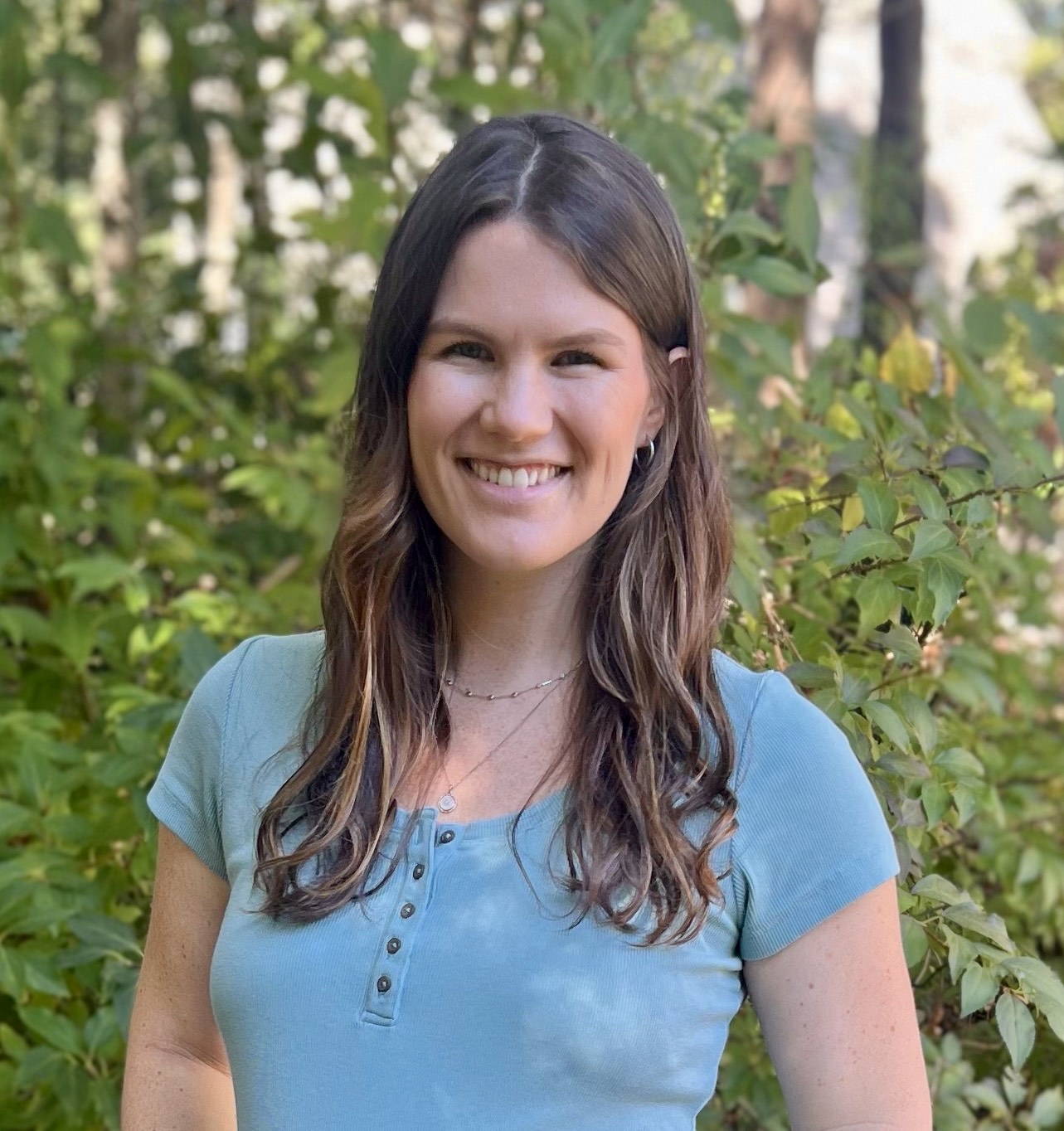
Stephanie Lehtonen is a Speech-Language Pathologist with a deep passion for dementia care, hospice care, and post-stroke rehabilitation. She's committed to maximizing quality of life for the parents and grandparents of Cape Cod — meeting families where they are, in the homes where their loved ones feel most comfortable.
If you've noticed any of the signs above in someone you love, an assessment could be the first step toward real answers — and real support for your whole family.