
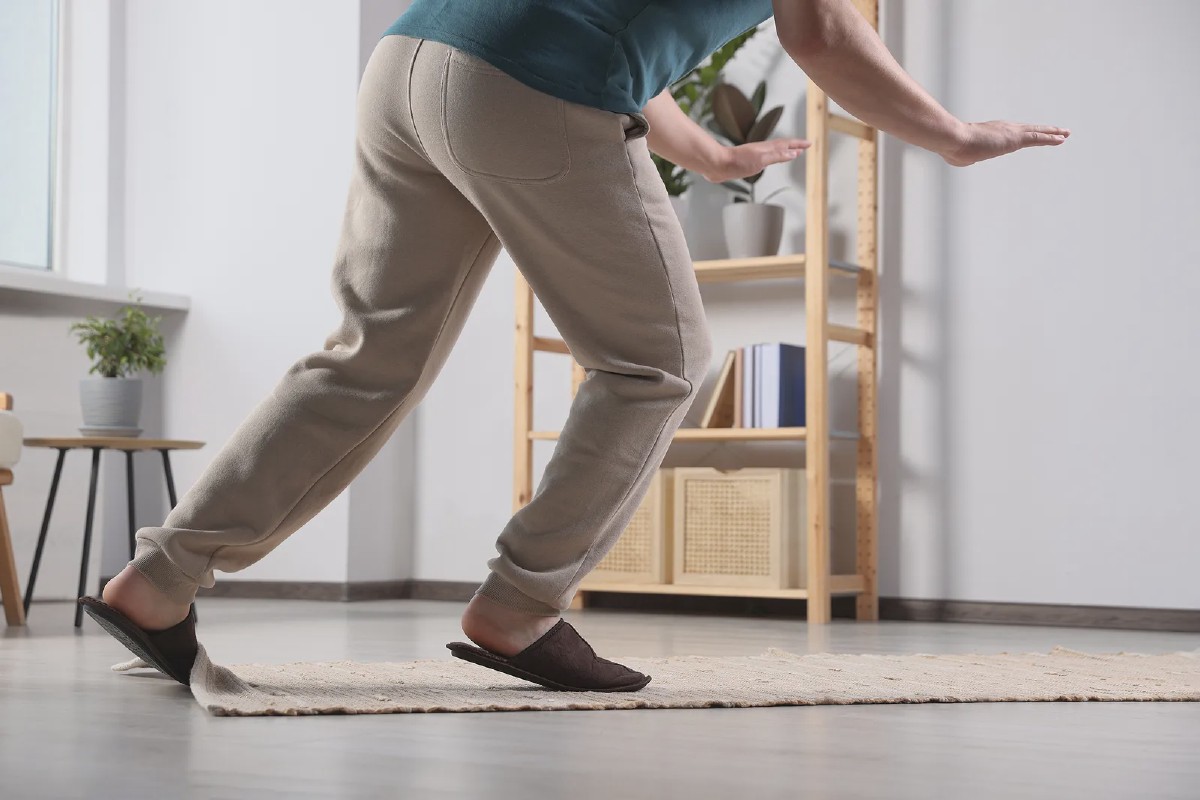
Falls are one of the most common, and most serious, health risks facing older adults today. They can happen at any age, but their consequences become more severe as we get older. The good news? Most falls are preventable with awareness, a few lifestyle changes and the right team behind you.
Common Risk Factors for Falls
The statistics are startling:
An older adult falls every second of every day
More than 1 in 4 adults over age 65 report at least one fall each year
Approximately 41,000 older adults die from falls annually, that is an average of 112 deaths per day
Over 3.5 million fall-related injuries result in emergency department visits each year
Falls are the number one cause of hip fractures
These numbers are exactly why fall prevention needs to be a priority for individuals, families and healthcare providers alike, not something we think about only after a fall has already happened.
Falls are rarely caused by one thing. They're usually the result of several physical, medical and environmental factors overlapping, including:
Muscle weakness
Problems with walking or balance
Medication side effects (dizziness, fatigue)
Low vision or hearing loss
Poorly fitting footwear
Low blood pressure
Confusion or fatigue
Poor nutrition
Osteoporosis or arthritis
Pain
Tripping hazards in the home
Understanding your own personal risk factors is the first step toward doing something about them.
Why One Fall Can Lead to Another (And How to Stop It)
Taking a tumble can shake your confidence. Even if you walk away without a bruise, it is completely normal to feel nervous about it happening again. The problem is that fear often makes us pull back from the things we love, like daily walks, gardening or meeting friends for coffee. When we move less, our muscles naturally get weaker and our balance gets a little shakier. Before you know it, playing it "safe" actually makes another fall more likely:Fall → fear of falling again → inactivity → loss of muscle strength → poor balance and gait → increased risk of another fall
The good news? You don't have to let one stumble shrink your world. Stepping in early keeps you strong, confident and in control of your routine.
Two Ways to Break the Cycle
1. Start the Conversation: It is easy to brush off a trip on the rug or hide a dizzy spell so your family doesn't worry. However, keeping quiet is one of the biggest hurdles to staying safe.
- Loop in Your Circle: Let your doctor, caregiver or family know if you have taken a tumble, felt wobbly or just feel a little less steady lately.
- Do a "Med Check": Bring an updated list of everything you take, including over-the-counter pills, to your doctor or pharmacist. Sometimes a simple tweak to a prescription can clear up dizziness or fatigue.
2. Keep Your Body Moving: It sounds backwards, but gentle movement is the best way to protect yourself from falling.
- Use Your Tools: If you have a cane or walker, use it. Think of it less as a limitation and more as a tool that gives you the freedom to get out the door safely.
- Take Your Time Standing Up: Give your body a second to catch up when getting out of bed or rising from a chair to avoid those sudden head rushes.
- Practice a Little Every Day: Ask your doctor or a physical therapist about local balance classes, or try a few simple moves right in your kitchen.
Four Easy Moves You Can Do While Waiting for the Kettle to Boil
(Safety tip: Always use your kitchen counter or a heavy, sturdy chair for support. Once you feel steady, try using just one hand, or just a couple of fingertips, to challenge your balance).
- Kitchen Counter Side-Steps: Stand facing your counter with your hands resting on top. Take slow steps sideways to one end, then step back the other way. Keep your toes and hips pointing straight ahead.
- Countertop Marching: Holding onto the counter, slowly lift one knee up as if you are marching in place. Keep your back straight and repeat 10 times on each leg.
- Tip-Toe Heel Raises: Stand tall at the counter, tighten your leg muscles and slowly rise up onto your tiptoes. Pause for a second, then lower your heels back down with control. Repeat 10 times.
- Chair Sit-to-Stands: Sit in a sturdy dining chair that won't slide or roll. Lean forward slightly ("nose over your toes"), push through your heels to stand up, and slowly sit back down. Repeat 10 times. Once you feel strong, try doing this without pushing off the armrests.
Look After Your Eyes, Ears and Feet
Your senses and your foundation play a huge role in keeping you steady. A few simple habits can help you stay grounded:
- Keep Your Vision Sharp: Stay up to date on your glasses prescription and don't skip your routine eye exams.
- Stay Tuned In: Wear your hearing aids as prescribed so you can stay fully aware of what is happening around you.
- Ditch the Slippery Socks: Choose shoes or slippers that fit well, have a solid back and offer good grip. Skip the sock-only shuffle on hardwood or tile floors.
- Check Your Feet: Have your feet checked regularly to catch any changes in feeling or sensation early.
Make Your Home Work for You
More than 75% of falls happen in or near the home. The bright side? Your living space is one of the easiest things to control. A few quick updates can make your home much safer:- Clear the Walkways: Pick up loose cords, clutter and small throw rugs that love to catch toes.
- Light the Way: Add night lights in hallways and bathrooms and make sure light switches are easy to reach before you walk into a dark room.
- Keep Favorites Within Reach: Store everyday items at shoulder or waist height so you aren't stretching on tiptoes or bending way down.
- Add Extra Support: Install sturdy handrails on stairs and grab bars in the bathroom and place non-slip mats or a shower chair in the tub.
- Watch Your Step Outside: Steer clear of wet leaves, puddles and icy patches on walkways.
- Have a Backup Plan: Consider wearing a medical alert button or a smartwatch with fall detection for extra peace of mind.
Lean on Your Support Team
Staying safe doesn't mean doing everything yourself. Think of fall prevention as a team effort with people in your corner:
- Family and Friends: Can help you do a quick safety walk-through of your home and lend a hand with tricky chores like changing lightbulbs.
- Physical Therapists: Work with you to build leg strength, balance, posture and stamina.
- Occupational Therapists: Suggest helpful gadgets and smarter ways to handle daily routines safely.
- Primary Care Providers: Help keep underlying health conditions well-managed.
- Pharmacists: Can spot medication side effects or interactions that might make you feel lightheaded.
What to Do If You Do Take a Fall Even with the best habits, slips can still happen.
If you fall, take a deep breath and stay calm. Before you try to move, pause for a quick head-to-toe check:
- Do I know why I fell?
- Did I hit my head?
- Do I feel dizzy or lightheaded?
- Am I bleeding or does anything hurt?
- Crawl or scoot over to a heavy, sturdy piece of furniture, like a couch or solid armchair.
- Place both hands firmly on the seat for support.
- Bring one foot forward so it is flat on the floor, keeping your other knee resting on the ground.
- Slowly push yourself up, turn around and sit down to catch your breath and rest for a few minutes.
Falls are serious, but they are not just "part of getting older." With a little awareness, regular movement, a safer home and the right people behind you, you can stay active, confident and independent. Prevention starts with one small step, take it today. Book your free discovery call with Cape Concierge Physical Therapy today.