"Is That a Concussion?" What to Do in the First 48 Hours
A sports concussion doctor explains symptoms, recovery and whether concussions can be prevented.
Ashley Katzenback, PT, DPT · · 3 min read
Fall sports season is also concussion season. Football, soccer, field hockey and other contact sports all come into full swing at once and concussion season peaks right alongside them.
On this week's episode of "Strong, Inside and Out", I sat down with Dr. Andy Judelson, who led a sports concussion clinic on Cape Cod for youth and young adult athletes. As a coach and a mom, I came away with a few things I want every parent and coach to know.
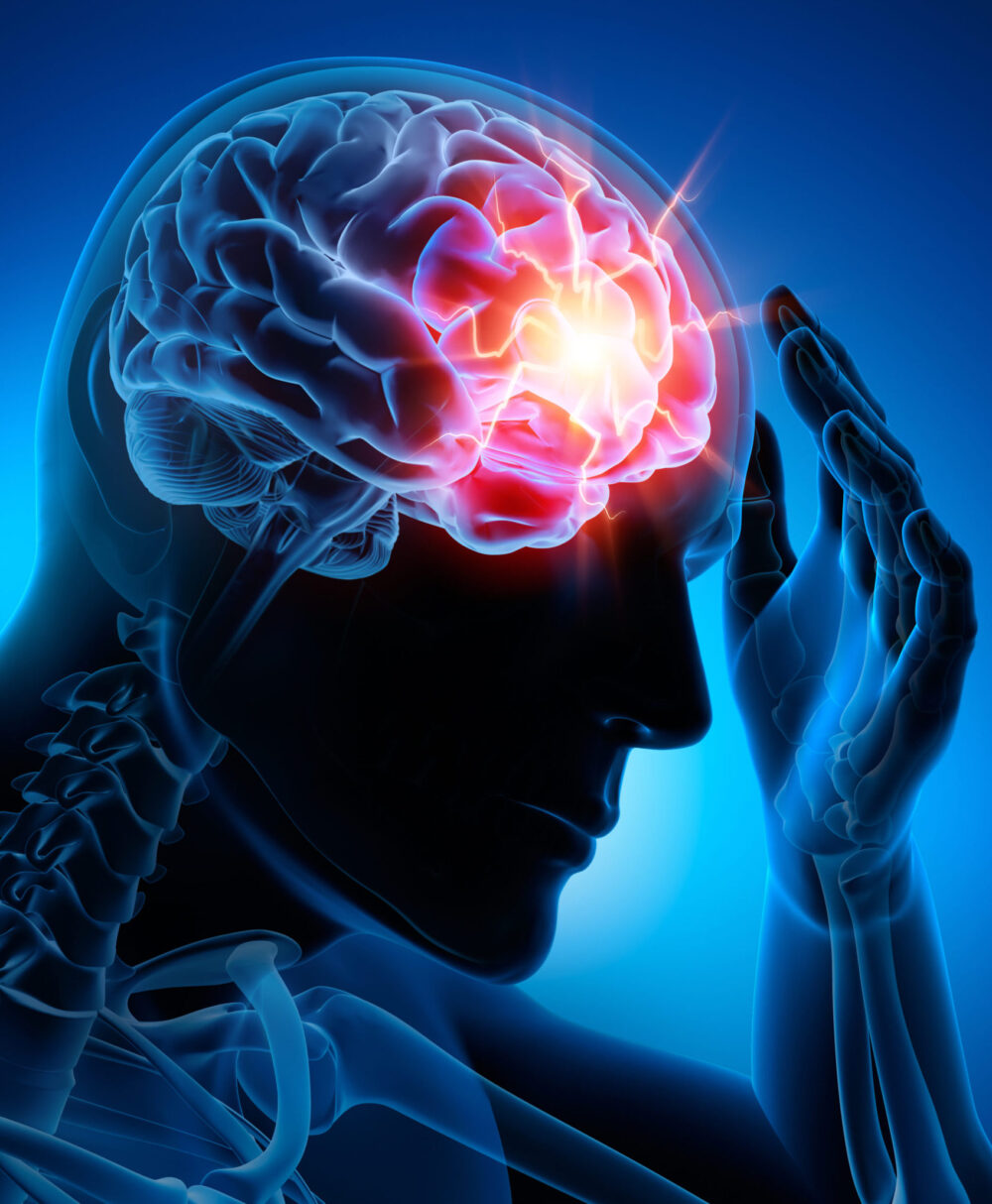
1) No blackout needed. A concussion is a functional brain injury. Most happen without loss of consciousness, and CT scans and MRIs are usually normal.
2) When in doubt, sit them out. Pulling an athlete right away protects them and helps them recover faster.
3) Know the red flags. Loss of consciousness, vision changes, repeated vomiting or loss of movement in a limb means go the the ER.
4) The dark room is out. Today's standard is relative rest: a day or two of rest, followed by a gradual return to light activities like short walks or 15-minute reading blocks, as long as symptoms don't get worse.
5) School before sports. Kids must get back into the classroom before restarting athletics. Once cleared by a doctor, they can move step-by-step through a return-to-play protocol. Most recover within 2 to 4 weeks, but if progress stalls by weeks 4 to 6, it's time for a deeper evaluation.
6) Can concussions be prevented? No, not completely. Helmets, mouthguards, and neck strength reduce impact forces, but no equipment eliminates the risk entirely. When prevention isn't possible, fast recognition is your best defense.
Listen to the full episode here: Strong, Inside and Out
Read the full guide on the blog: Youth Concussions: What Every Parent and Coach Needs to Know
For coaches and athletic directors: strength, balance and agility warm-ups make all the difference when building more resilient athletes. See how to bring it to your school.
Getting back to sport after a concussion? Once your athlete has medical clearance, our Sport-Specific Readiness Screen checks strength, balance and movement so they can return to the field confident and prepared.
Please forward this to a parent, coach or team group chat. It could help the next kid on the sideline.
Strong, Inside and Out.
Dr. Ashley Katzenback, PT, DPT Cape Concierge Physical Therapy
This newsletter is for educational purposes only and is not medical advice. If you suspect a concussion, see a license healthcare provider.
Care for the whole you.
Physical, occupational, speech & massage therapy, plus coaching, screening and training: one team for the whole household, from the teenage athlete to the grandparent. We pair you with the right clinician and build the plan together.
Why Your Teen Athlete Can't Fall Asleep Before Midnight — And What Actually Fixes It
A new JAMA Pediatrics study shows a simple 2-week light-and-schedule protocol shifted teens' sleep earlier and added 47 minutes of nightly sleep.
Read the full article →