The Movement You’re Losing Without Noticing
Why your stride is getting shorter (and how to get it back)
Ashley Katzenback, PT, DPT · · 3 min read
The Movement You’re Losing Without Noticing
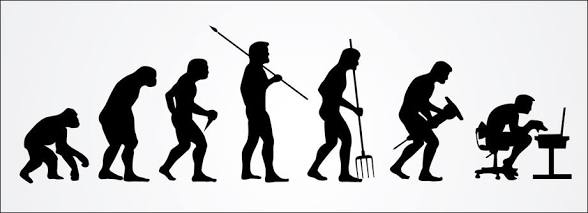
Have you ever noticed that people tend to walk slower and take shorter steps as they get older? Most of us chalk it up to aging. But one of the biggest drivers is something we can change: hip extension.
Hip extension is your hip’s ability to let your leg travel behind your body as you walk. It’s what gives your stride its length and its power. And it’s one of the first things we lose, especially after years of sitting at desks, in cars, and on the couch.
What happens when hip extension goes missing
When the front of your hip gets stiff, your leg can’t reach back as far. That sets off a chain reaction:
- Your stride shortens. Shorter steps mean a slower walk.
- You lose glute power. Your glutes are your biggest engine for walking, but they can’t push you forward well when the hip never fully extends.
- Your ankles and calves pick up the slack. They end up doing work the hips should be doing, so they fatigue faster.
The result is a walk that feels slower, shorter, and more tiring, and over time, less confident.
The good news: it’s trainable
Hip extension responds well to the right combination of mobility and strength. Two simple places to start:
- Half-kneeling hip flexor stretch. Kneel on one knee, tuck your pelvis slightly under, and squeeze the glute on the kneeling side. You should feel a stretch in the front of that hip. Hold 30 seconds, 2–3 times per side.
- Glute bridge. Lie on your back with knees bent and drive through your heels to lift your hips, squeezing your glutes at the top. Aim for 2–3 sets of 10–12.
Mobility opens the range. Strength teaches you to own it. You need both.
Want to know how your stride stacks up?
Our team can assess your hip mobility, strength, and gait, then build a plan to help you walk longer, stronger, and with more power at any age.
Strong, inside and out,
Dr. Ashley Katzenback, PT, DPT
Cape Concierge Physical Therapy

Why Men Wake Up at Night: 6 Common Causes and What Helps
Waking up at 3 a.m. to pee or for no clear reason? A physical therapist explains why men wake at night, from prostate and sleep apnea to the pelvic floor.
Read the full article →